I have always known
I was more than one thing.
I grew up between two men who shaped me in very different ways.
My Daddy loved me openly. When he was present, I never questioned whether I was loved. His affection was generous, visible, and freely given.
My Papa gave me stability, structure, discipline, and the values that would shape much of my life. Through him, I learned responsibility, achievement, service, and perseverance.
Looking back, I realize I became very skilled at earning approval through performance.
I learned how to achieve.
I learned how to contribute.
I learned how to be responsible.
What took longer was learning that love, worth, and belonging do not have to be earned. That lesson continues to shape both my life and my work.
The women in my life shaped me in ways that took years to understand.
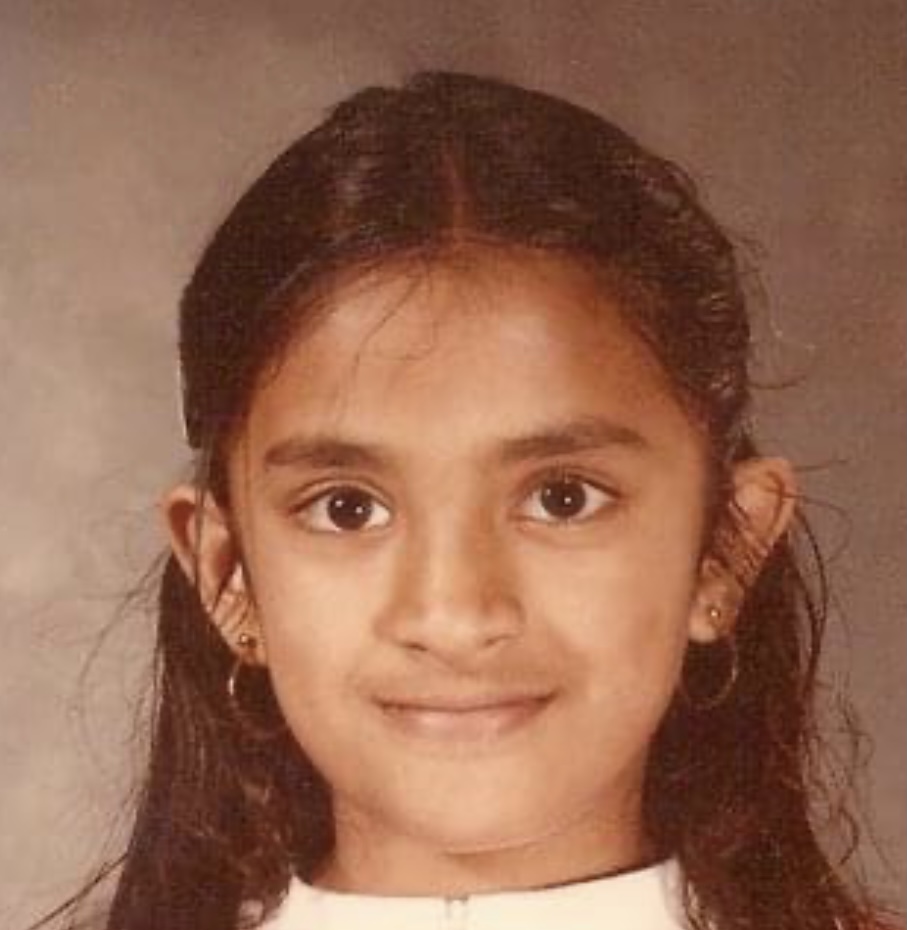
My mother died when I was six years old. For a long time, I thought the loss was simply that she wasn't there. What I eventually realized was that I also lost the relationship we never got the chance to have.
She never got to know who I would become.
I never got to know who she would become.
Some questions have no answers. Would we have been alike? Would she have understood me? Would she have recognized parts of me before I recognized them myself? Growing up without her left an absence where a mirror might have been.
After her death, I was raised by my Amma. She could often read my emotions before I spoke a word — she saw more than most people realized. What I understand now is that she was carrying burdens of her own: grief, responsibility, sacrifice, expectations she never asked for.
As a child, I became highly attuned to the emotional atmosphere around me. I learned to read a room, anticipate needs, and adapt — managing emotional realities that were often much larger than I was.
Those experiences shaped many of my greatest strengths: empathy, observation, resilience, the ability to see beneath the surface. They also taught me a lesson I would spend years unlearning — that being needed is not the same thing as being loved, and that understanding someone's pain does not make me responsible for carrying it.
Today, much of my work is helping people reconnect with themselves beneath the roles they've learned to perform, the responsibilities they've learned to carry, and the emotional burdens they've inherited from stories that were never entirely theirs.
Perhaps that's why the question of identity has always fascinated me. When life changes the people around us, the roles we play, the stories we inherit —
what remains?
Since I was a teenager, I've said it: I'm not linear. I'm multifaceted. I couldn't fit myself into a single lane for long without feeling the pull of everything else I was. While the world kept rewarding the parts of me that were legible — the nurse, the executive, the achiever — I always knew there was more underneath.
The problem wasn't that I had multiple parts. The problem was learning to live in a world that kept asking me to choose one.
Life didn't ask me once.
It asked me repeatedly.
Loss of parents. Academic dismissal — carrying the weight of being the daughter of an MD/PhD, making that fall more loaded. A layoff after building a career that took decades. Each time, I had to answer the question most people only face once: who am I without it?
And each time, something became clearer. I was the transferable piece. The common denominator. No matter what was stripped away, I was still the one who made things happen.
Performance was always
the through-line.
Long before I had language for it, I understood artistry. Classically trained in Bharatanatyam and Carnatic music, I learned what it meant to bring discipline, grace, and nuance to a craft. That same quality — the artistry of performance — translated into the ICU, into the boardroom, into coaching, into everything I've built.
What appeared to others as unrelated careers was always one continuous thread: the integration of systems, humanity, and expression.